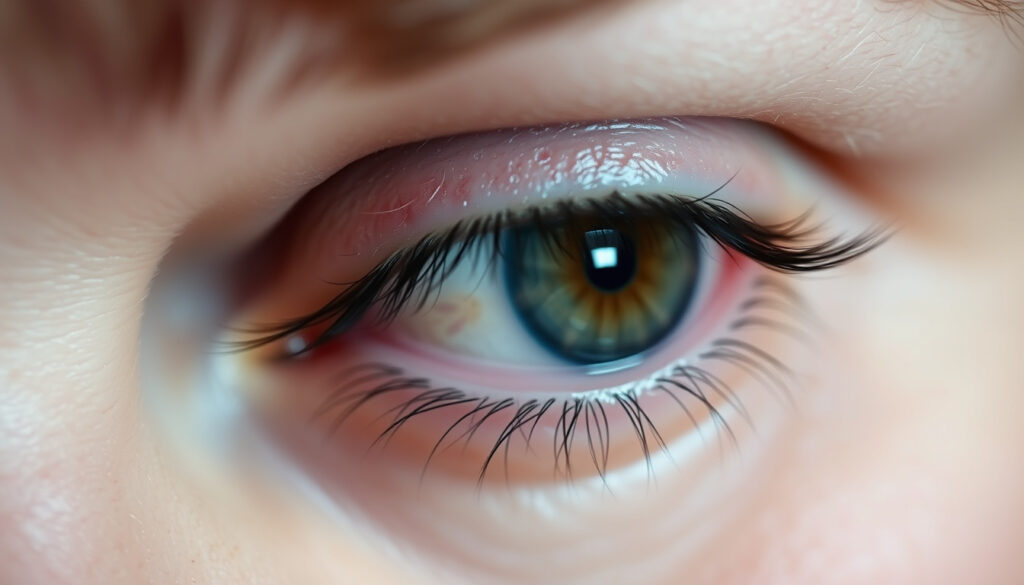
Eye Twitching for Days – Causes, Duration and When to Worry
Persistent eye twitching that lasts for days is a common complaint that often leaves people searching for answers. While occasional eyelid spasms are usually harmless and resolve on their own, sustained twitching can become frustrating and raise questions about underlying causes. Understanding what triggers prolonged eye twitching, how long symptoms typically last, and when professional evaluation becomes necessary can help address concerns and guide appropriate next steps.
Medical professionals emphasize that most instances of eye twitching—even when they persist for days—remain benign and self-limiting. However, distinguishing between normal variation and signs that warrant medical attention requires understanding the common triggers, typical duration patterns, and warning signs associated with persistent symptoms. This guide examines the latest evidence on prolonged eye twitching and provides actionable information for those experiencing extended episodes.
Why Is My Eye Twitching for Days?
Prolonged eye twitching lasting days or weeks typically stems from lifestyle factors, environmental triggers, or underlying conditions that affect the muscles and nerves controlling the eyelids. Research from major medical institutions identifies several common contributors to extended eyelid spasms.
Stress, fatigue, excessive caffeine, prolonged screen time
Hours to days; some cases persist for weeks
Rest, hydration, reduced screen time, stress management
Spreading to facial areas, vision changes, weakness
- Eye twitching is temporary in most cases and goes away on its own, according to Johns Hopkins Medicine
- Multiple factors often accumulate together to trigger or worsen symptoms, per Cleveland Clinic
- A recent study links prolonged screen time with increased myokymia, the most common type of eye twitching
- Eye twitching may run in families, suggesting a genetic component in some cases
- The exact cause is not always identifiable, though symptoms can originate in the motor nerves of the brain
- Stress and anxiety rank among the most frequently reported triggers for extended eyelid twitching
- Sleep deprivation and fatigue commonly accompany episodes that last several days
| Fact | Details | Source |
|---|---|---|
| Medical Term | Myokymia | Cleveland Clinic |
| Most Common Trigger | Stress and fatigue | Mayo Clinic |
| Typical Duration | 1-2 days for most cases | Medical consensus |
| Prognosis | Usually benign, self-resolving | Johns Hopkins |
| Family History | May run in families | Johns Hopkins |
Primary Triggers for Extended Eye Twitching
The most frequent causes of eye twitching lasting days include stress and anxiety, which affect neuromuscular function and can prolong symptoms beyond typical episodes. Sleep deprivation ranks second, with fatigued individuals experiencing more frequent and sustained spasms. Excessive caffeine consumption acts as a stimulant that can trigger and extend eyelid twitching episodes.
Prolonged screen time has emerged as a significant modern trigger. Research indicates that extended exposure to digital devices increases myokymia frequency and duration. Eye strain from focusing for long periods without breaks contributes to muscle fatigue around the eyelids. Dry eyes and environmental irritants like wind, air pollution, and bright lights can also extend the duration of twitching episodes.
Substances That Can Prolong Symptoms
Both alcohol and nicotine use have been linked to extended eye twitching. Mayo Clinic research identifies these substances as common triggers that can prolong symptoms beyond typical duration. Additionally, certain medications—including those used to treat Parkinson’s disease, epilepsy, and antipsychotics—can cause eye twitching as a side effect.
Calcium channel blockers and antiseizure drugs have also been associated with eyelid twitching. If you recently started a new medication and developed prolonged eye twitching, consult your healthcare provider about potential side effects.
How Long Does Eye Twitching Typically Last?
The duration of eye twitching varies considerably depending on the underlying cause and whether triggers are addressed. Most episodes resolve within hours to a few days, particularly when lifestyle factors like stress or fatigue are managed. However, some individuals experience symptoms lasting a week or longer, which warrants closer monitoring and potential medical evaluation.
Expected Duration by Type
Myokymia, the most common form of eye twitching, typically manifests as brief episodes that come and go. Cleveland Clinic notes this type is usually benign and doesn’t lead to other problems. Episodes often result from combinations of stress, lack of sleep, and caffeine, and they frequently resolve once these factors are corrected.
Benign essential blepharospasm (BEB) represents the most common primary form of persistent eyelid twitching. This condition involves both eyes closing or twitching simultaneously. While BEB occurs for nerve-related reasons, UCLA Health experts note that the exact mechanisms remain not fully understood. BEB often causes additional symptoms, particularly light sensitivity and dry eye, and typically requires more targeted treatment approaches.
Most eye twitching episodes last less than a week. If symptoms persist beyond two weeks despite lifestyle modifications, consider scheduling an evaluation with an ophthalmologist or neurologist.
Timeline for Symptom Progression
- Day 1: Onset typically triggered by stress, fatigue, or environmental factors. Twitching may be intermittent at first.
- Days 2-3: Symptoms often peak as accumulated fatigue or continued exposure to triggers maintains the episodes. Many people become more aware of the twitching during this period.
- Days 4-7: Symptoms may begin declining if triggers are addressed. However, without intervention, twitching can continue at similar intensity.
- Beyond 1 week: Persistent symptoms warrant evaluation. Johns Hopkins Medicine recommends consulting a healthcare provider if twitching continues beyond typical temporary duration.
When Should You See a Doctor for Prolonged Eye Twitching?
While most eye twitching resolves without intervention, certain circumstances merit professional evaluation. Understanding warning signs helps distinguish between benign episodes and symptoms requiring medical attention.
Signs That Warrant Medical Evaluation
You should consult a healthcare provider if eye twitching persists beyond the typical temporary duration—generally more than two weeks—despite attempts to address common triggers. Eye care specialists also recommend evaluation when twitching spreads to other facial areas, as this may indicate nerve involvement beyond simple muscle fatigue.
Additional concerning signs include difficulty with coordination or motor control, according to vision health resources. Vision changes, drooping eyelids, facial weakness, or swelling around the eye also warrant prompt evaluation. When symptoms significantly impact daily activities, sleep quality, or work performance, professional guidance can help identify underlying causes and appropriate interventions.
Serious Conditions to Rule Out
While rare, persistent eye twitching can indicate more serious neurological conditions, particularly when accompanied by other symptoms. Mayo Clinic research identifies several conditions associated with chronic or severe eye twitching.
- Bell’s palsy — sudden weakness on one side of the face, often affecting eyelid closure
- Multiple sclerosis (MS) — autoimmune condition affecting the central nervous system
- Parkinson’s disease — progressive neurological disorder affecting movement
- Dystonia — involuntary muscle contractions causing repetitive movements
- Hemifacial spasm — twitching isolated to one side of the face
- Meige syndrome — nervous system movement disorder affecting facial muscles
- Brain tumors — rare but possible cause when other neurological symptoms present
- Tourette syndrome — neurological condition characterized by repetitive movements
These serious conditions are almost always accompanied by other signs and symptoms beyond simple eye twitching. Twitching in isolation rarely indicates a serious underlying problem, but combined with additional neurological symptoms, it warrants thorough evaluation.
How to Stop Eye Twitching That Lasts Days
Managing prolonged eye twitching typically begins with identifying and addressing lifestyle triggers. Most people can reduce or eliminate symptoms through conservative measures before considering medical interventions.
Lifestyle Modifications
Reducing caffeine intake often produces noticeable improvement within one to two weeks, according to eye care specialists. Evaluate your caffeine consumption from coffee, tea, energy drinks, and soft drinks, and consider gradual reduction strategies.
Improving sleep quality and maintaining consistent sleep schedules addresses one of the most common contributors to extended eye twitching. Henry Ford Health recommends establishing regular bedtimes and creating restful sleep environments as foundational strategies.
- Reduce caffeine intake and reassess symptoms after 1–2 weeks
- Prioritize 7-9 hours of quality sleep each night
- Implement stress management techniques such as meditation or deep breathing
- Take regular breaks from screens using the 20-20-20 rule (every 20 minutes, look 20 feet away for 20 seconds)
- Improve ergonomic positioning to reduce eye strain
- Address dry eyes with artificial tears or environmental modifications
- Reduce alcohol consumption and avoid nicotine products
Medical Treatments for Persistent Cases
When lifestyle modifications prove insufficient, medical interventions may be necessary. UCLA Health outlines several treatment options for persistent eye twitching.
Botulinum toxin (Botox) injections into the affected eye muscles represent the most effective treatment for persistent benign essential blepharospasm. These injections temporarily weaken the muscles causing the twitching, providing relief that typically lasts three to four months before requiring re-treatment.
Medication for underlying conditions may help when eye twitching stems from neurological causes. Johns Hopkins Medicine notes that various medications can help manage symptoms when standard approaches prove inadequate.
Surgery is reserved for severe cases that do not respond to conservative treatments. Myectomy procedures remove some of the muscles and nerves responsible for the twitching. Surgical intervention is typically considered only after other options have been exhausted.
Start by tracking potential triggers in a diary—note sleep quality, caffeine intake, screen time, and stress levels alongside symptom duration. This documentation helps identify patterns and guides targeted lifestyle modifications before pursuing medical treatment.
Understanding What We Know and Don’t Know About Eye Twitching
Eye twitching research has established certain facts while leaving gaps in our understanding. Recognizing this distinction helps set realistic expectations for symptom management.
| What We Know | What Remains Uncertain |
|---|---|
| Most eye twitching is benign and self-resolving | The exact mechanisms behind benign essential blepharospasm |
| Common triggers include stress, fatigue, caffeine, and screen time | Specific nutrient deficiencies that may contribute in individual cases |
| Botox effectively reduces symptoms in most persistent cases | Why some individuals develop chronic twitching while others don’t |
| Serious neurological conditions almost always include additional symptoms | Genetic factors and their precise role in predisposition |
| Symptoms can originate in the motor nerves of the brain | Optimal duration of treatment before attempting discontinuation |
Medical Perspectives on Prolonged Eye Twitching
Medical organizations emphasize that eye twitching, while sometimes frustrating, rarely indicates serious illness. Cleveland Clinic notes that the condition involves involuntary movements of the orbicularis oculi muscle surrounding the eye, typically triggered by various lifestyle and environmental factors.
“Eye twitching is usually harmless and resolves on its own. However, if symptoms persist or are accompanied by other concerning signs, evaluation by a healthcare professional can provide reassurance and appropriate management options.”
Mayo Clinic research confirms that when eye twitching indicates something more serious, additional neurological symptoms typically manifest alongside the twitching. This pattern helps healthcare providers distinguish between benign and concerning presentations during clinical evaluation.
Summary and Recommendations
Prolonged eye twitching lasting days typically results from manageable lifestyle factors like stress, insufficient sleep, and excessive caffeine or screen exposure. Most episodes resolve within one to two weeks with appropriate modifications. For persistent symptoms lasting beyond two weeks, or when accompanied by additional neurological signs, professional evaluation helps rule out rare but serious underlying conditions.
Simple interventions—reducing caffeine, improving sleep quality, managing stress, and taking regular screen breaks—address the most common triggers. When these measures prove insufficient, medical treatments including Botox injections for eye twitching and targeted medications offer effective relief for persistent cases. Understanding the difference between normal variation and warning signs empowers individuals to seek appropriate care without unnecessary anxiety.
For those experiencing related symptoms like stress-related health concerns or seeking additional wellness information, related resources on managing digestive comfort may provide complementary guidance for overall wellbeing.
Frequently Asked Questions
What deficiency causes eye twitching?
While some sources suggest nutrient deficiencies may contribute to eye twitching, specific deficiencies are not well-established in the medical literature. Research does note that excessive alcohol consumption can cause vitamin B deficiencies, which may contribute to symptoms. If concerned about nutritional factors, discuss testing with your healthcare provider.
Can stress cause eye twitching for days?
Yes. Stress and anxiety are among the most frequently reported triggers for eye twitching that persists for days. Managing stress through relaxation techniques, adequate sleep, and lifestyle modifications often helps reduce or eliminate symptoms.
Does eye twitching go away on its own?
In most cases, eye twitching resolves spontaneously without treatment. Episodes typically last hours to days. If symptoms persist beyond two weeks despite addressing common triggers, consider medical evaluation.
Eye twitching for a week—what should I do?
If eye twitching continues for a week, begin by evaluating and addressing common triggers: reduce caffeine intake, improve sleep quality, manage stress, and limit screen time. If symptoms persist beyond two weeks or worsen, schedule an appointment with an eye care specialist or healthcare provider.
Is eye twitching for days a sign of something serious?
While rare, persistent eye twitching can indicate neurological conditions such as Bell’s palsy, multiple sclerosis, or hemifacial spasm. However, these serious conditions almost always present with additional symptoms beyond simple eyelid twitching. Isolated eye twitching is rarely a cause for alarm.
How do I stop eye twitching immediately?
While there’s no guaranteed instant fix, reducing triggers—caffeine, stress, screen time—and applying a cool compress to the eyes may provide relief. Adequate rest and hydration also help. If twitching persists, treatment options like Botox injections require medical administration.
Can lack of sleep cause prolonged eye twitching?
Yes. Sleep deprivation and fatigue are well-documented triggers for eye twitching. Poor sleep quality and inconsistent sleep schedules commonly contribute to episodes lasting days. Prioritizing adequate rest often helps resolve symptoms.
More related posts
 Townhomes for Sale Near Me: Pros, Cons & Costs
 What Generation Is 2025? Gen Beta vs Alpha Explained
 Graco SlimFit 3 in 1 Review: Specs, Differences & Safety
 How Many Work Hours in a Year? Complete Guide for 2025
 What Car Is Lightning McQueen? Real-Life Counterpart & Design
 Lin-Manuel Miranda: Ethnicity, Hamilton Departure & Moana 2
 New Movies on Disney+ (2026): Latest Releases & Top Picks
 Josh Allen Hailee Steinfeld – Relationship Timeline to Wedding