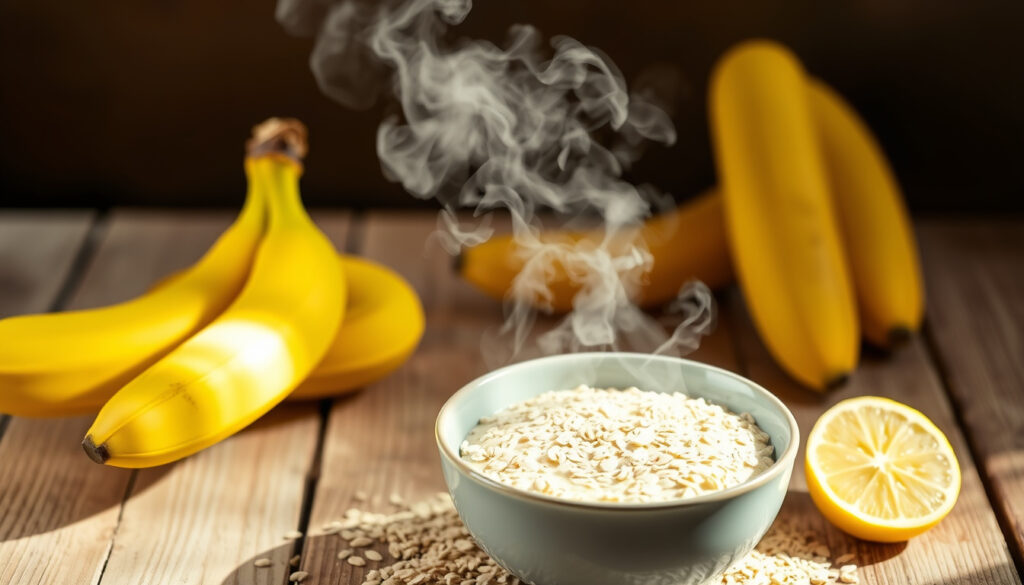
What Foods Neutralize Stomach Acid Immediately – Bananas, Oatmeal Relieve Heartburn
Stomach acid buildup can cause uncomfortable heartburn and acid reflux symptoms that affect millions of people daily. While medications exist, many individuals seek natural ways to find quick relief through foods and drinks that may help neutralize excess acid. Understanding which foods work, how they function, and what to avoid can make a significant difference in managing digestive discomfort.
Research from health institutions suggests that certain foods may provide relief by coating the esophagus, absorbing excess acid, or leveraging alkaline properties to balance stomach pH levels. However, experts emphasize that no food provides an instant cure, and evidence for immediate effects varies across different remedies. This guide examines the most commonly recommended options, their mechanisms, and practical advice for those seeking natural relief.
What Foods Neutralize Stomach Acid Immediately?
Several foods stand out in health literature for their potential to reduce stomach acid symptoms quickly. These options work through different mechanisms, including acid absorption, esophageal coating, and anti-inflammatory effects.
Key Insights on Acid-Neutralizing Foods
- Bananas contain approximately 2 grams of fiber per ripe fruit, providing pectin that may coat the esophageal lining and reduce irritation from stomach acid.
- Oatmeal delivers 10.4 grams of fiber per 100-gram serving, enabling absorption of excess acid while promoting satiety to prevent overeating, a known GERD risk factor.
- Almonds offer 10.8 grams of fiber per 100 grams along with healthy fats and antioxidants that may support gut microbiota health.
- Low-fat yogurt introduces probiotics that support healthy gut bacteria while acting as an alkaline dairy option that soothes the esophagus.
- A 2023 review highlighted bananas’ alkalizing properties and fiber content as factors that may reduce acid reflux frequency.
- Ginger demonstrated reduced heartburn symptoms in a 2023 study after four weeks of supplementation, though historical use suggests faster digestive benefits.
- Leafy greens such as spinach and kale contain fiber and neutralizing compounds supported by research from 2017.
Quick Reference: Foods and Their Effects
| Food | Primary Benefit | Time to Effect | Evidence Level |
|---|---|---|---|
| Banana | Coats esophageal lining | Minutes to hours | Strong (2023 review) |
| Oatmeal | Absorbs excess acid | 10-30 minutes | Moderate |
| Almonds | Neutral pH, anti-inflammatory | 15-30 minutes | Moderate |
| Yogurt | Probiotic support, soothing | Minutes to hours | Moderate |
| Leafy Greens | Alkalizing, fiber-rich | 30-60 minutes | Moderate (2017 study) |
| Melons/Cucumbers | Dilute stomach acid | 15-30 minutes | Anecdotal |
When selecting bananas, choose fully ripe specimens with brown spots, as these contain higher levels of pectin and are easier to digest than underripe fruit.
What Drinks Can Help Neutralize Stomach Acid?
Beverages play an important role in managing stomach acid, with ginger tea standing out as one of the most frequently recommended options. Health sources from gastroenterology practices and medical news outlets consistently highlight ginger’s anti-inflammatory properties for gastrointestinal relief.
Ginger Tea Benefits
Ginger contains compounds that ease gastrointestinal irritation and demonstrate alkaline properties. A 2023 study showed reduced heartburn symptoms including stomach burning after four weeks of ginger supplementation. Traditional use suggests faster digestive aid, with some anecdotal reports indicating relief within minutes of consumption.
Other Supportive Beverages
- Plant-based milk alternatives such as almond or oat milk may provide soothing effects due to their alkaline nature
- Water helps dilute stomach acid temporarily and supports healthy digestion
- Avoid citrus juices, tomato-based drinks, and caffeinated beverages which may worsen symptoms
Sipping room-temperature water between meals rather than during meals may help reduce acid reflux symptoms by avoiding unnecessary stomach distension.
How Do These Foods and Drinks Work to Reduce Acid?
Understanding the mechanisms behind acid-neutralizing foods helps explain why certain options work better than others for different individuals. Research indicates three primary pathways through which these foods may provide relief.
Alkalinity and pH Balance
The stomach maintains a highly acidic environment with pH levels between 1.5 and 3.5. Foods with pH values above 7 are considered alkaline and may help offset this acidity temporarily. This alkalinity concept forms the basis for recommending foods like bananas, oatmeal, and ginger to help balance the digestive environment.
Fiber Absorption
High-fiber foods such as oatmeal and almonds absorb excess stomach acid through a binding mechanism. Fiber also promotes satiety, helping individuals maintain moderate weight, which reduces GERD risk factors. The gastroenterology resource notes that fiber absorption represents one of the fastest mechanisms for reducing acid-related discomfort.
Mucosal Coating
Bananas contain pectin, a soluble fiber that creates a protective layer over the esophageal lining. This coating action may shield sensitive tissues from further irritation while the stomach works to process the food. Low-fat yogurt provides similar benefits through its smooth, soothing texture.
While these mechanisms show promise, most evidence comes from reviews and observational data rather than large randomized controlled trials. Individual responses to foods may vary significantly.
Timeline for Relief
Health sources describe varying timelines for symptom relief depending on the food and individual circumstances. Bananas and oatmeal may provide effects within 10-30 minutes through their absorption and coating properties. Some reports suggest ginger tea offers soothing effects within minutes anecdotally, though clinical studies observed benefits after several weeks of regular consumption.
What Foods Should You Avoid to Prevent Stomach Acid Buildup?
Equally important as knowing what to eat is understanding which foods may trigger or worsen stomach acid production. Medical institutions recommend avoiding items that relax the lower esophageal sphincter, delay gastric emptying, or directly stimulate acid production.
Foods That Worsen Symptoms
- Dairy products: Full-fat versions may worsen reflux; choose low-fat yogurt or kefir instead
- Citrus fruits: Oranges, grapefruits, and their juices contain high acid levels
- Tomatoes and tomato-based products: sauces, pastes, and canned goods
- Garlic and onions: Known irritants that may trigger symptoms
- Fried and fatty foods: Slow gastric emptying and relax the esophageal sphincter
- Chocolate: Contains compounds that may increase acid production
- Spicy foods: May irritate the esophageal lining
- Caffeine: Coffee, tea, and energy drinks that stimulate acid secretion
Keeping a food diary to track symptoms in relation to meals can help identify personal triggers. Consider exploring Convenience Store Near Me options for healthy snack alternatives when traveling or away from home.
Dairy and Acid Reflux
The relationship between dairy products and acid reflux requires nuance. Full-fat dairy items may aggravate symptoms, but low-fat options like yogurt and kefir often provide beneficial probiotics without significant discomfort. Individuals with lactose intolerance should consider dairy alternatives fortified with calcium and vitamin D.
Understanding the Timeline for Relief
People seeking immediate relief often wonder how quickly foods can actually neutralize stomach acid. The answer depends on the specific mechanism involved and individual digestive responses.
- Immediate relief (0-5 minutes): Ginger tea may begin soothing irritation through its anti-inflammatory compounds upon contact with the esophageal lining
- Short-term relief (10-30 minutes): Oatmeal and bananas absorb and coat excess acid, providing measurable symptom reduction for many individuals
- Ongoing benefits (hours to weeks): Regular consumption of probiotic yogurt and high-fiber foods supports long-term gut health and may reduce reflux frequency over time
Healthcare providers note that while immediate symptom relief is possible, managing chronic conditions like GERD typically requires sustained dietary and lifestyle changes alongside medical supervision.
What We Know Versus What Remains Uncertain
Separating established facts from areas of ongoing research helps readers maintain realistic expectations about food-based remedies.
| Established Information | Information That Remains Unclear |
|---|---|
| Bananas coat esophageal lining with pectin fiber | Exact timeline for “immediate” relief varies significantly between individuals |
| Oatmeal absorbs excess stomach acid through fiber content | Optimal serving sizes for symptom relief have not been standardized |
| High-fiber diets support weight management, reducing GERD risk | Long-term effects of daily ginger consumption require more study |
| Probiotics in yogurt support healthy gut bacteria | How different brands or preparation methods affect efficacy |
| Fatty foods relax the lower esophageal sphincter | Specific pH thresholds at which foods become consistently effective |
Persistent or severe symptoms warrant professional medical evaluation. Self-treating with dietary changes alone may delay diagnosis of underlying conditions requiring specific treatment.
When Foods May Not Be Enough
While dietary modifications represent a valuable first-line approach, certain situations may require additional intervention. Frequent heartburn occurring more than twice weekly, difficulty swallowing, unintended weight loss, or symptoms that persist despite dietary changes may indicate gastroesophageal reflux disease or other conditions requiring medical attention.
The National Institute of Diabetes and Digestive and Kidney Diseases provides comprehensive guidance on eating and nutrition for GERD that complements food-based remedies with broader lifestyle recommendations.
Expert Perspectives on Natural Remedies
“Dietary changes remain a cornerstone of managing mild to moderate acid reflux symptoms. While no food provides instant cure, certain options can meaningfully reduce discomfort when incorporated into an overall strategy that includes meal timing, portion control, and weight management.”
— Gastroenterology practice recommendations on acid-neutralizing foods
Health organizations including the Mayo Clinic and Cleveland Clinic acknowledge the role of dietary modifications while emphasizing that treatment plans should be individualized under healthcare provider guidance.
Summary and Practical Steps Forward
Bananas, oatmeal, almonds, yogurt, and ginger tea represent the most consistently recommended foods and beverages for potentially neutralizing or reducing stomach acid symptoms. These options work through alkalinity, fiber absorption, esophageal coating, and anti-inflammatory mechanisms. Evidence supports their use for mild, occasional symptoms, though effects vary among individuals and no food provides guaranteed immediate cure.
For those seeking quick relief, starting with a ripe banana or a bowl of oatmeal may offer the most accessible first step. Incorporating ginger tea between meals and maintaining a food diary to identify personal triggers can further support symptom management. Those experiencing persistent discomfort should consult healthcare providers to rule out underlying conditions requiring targeted treatment.
Understanding both the potential benefits and limitations of natural remedies empowers individuals to make informed choices about managing their digestive health. For additional guidance on finding suitable meal options, explore resources like Best Arepa de Choclo Near Me for ideas on incorporating diverse, stomach-friendly foods into your diet.
Frequently Asked Questions
What can I eat to reduce stomach acid quickly?
Bananas, oatmeal, almonds, and yogurt are among the most commonly recommended options. These foods work by coating the esophagus, absorbing excess acid, or providing alkalinity. Effects typically occur within minutes to hours depending on the individual and the specific food.
Does banana actually neutralize stomach acid?
Bananas contain pectin, a soluble fiber that coats the esophageal lining and may help neutralize acid through alkalizing properties. A 2023 review supports their potential for reducing acid reflux symptoms, though individual responses vary.
Is oatmeal good for stomach acid?
Yes, oatmeal contains approximately 10.4 grams of fiber per 100-gram serving, which absorbs excess stomach acid. Its high fiber content also promotes satiety, helping prevent overeating that can trigger reflux symptoms.
How quickly do these foods work?
Timelines vary by food and individual. Bananas and oatmeal may provide relief within 10-30 minutes through coating and absorption mechanisms. Ginger tea may offer soothing effects within minutes anecdotally, though studies showed benefits after four weeks of regular use.
Are almonds good for heartburn?
Raw almonds contain fiber, healthy fats, and antioxidants with anti-inflammatory properties that may help neutralize acid. Their alkaline nature and potential to support gut microbiota make them a reasonable snack option for those managing heartburn.
What drinks neutralize stomach acid?
Ginger tea stands out as the most frequently recommended option due to its anti-inflammatory properties. Room-temperature water, plant-based milks, and non-citrus herbal teas may also provide soothing effects.
Are dairy products good for acid reflux?
Full-fat dairy may worsen reflux symptoms, but low-fat options like yogurt and kefir provide beneficial probiotics without significant aggravation. Individuals with lactose intolerance should consider fortified dairy alternatives.
What foods should I avoid with high stomach acid?
Avoid citrus fruits, tomatoes, garlic, onions, fried foods, chocolate, spicy foods, and caffeine. These items may relax the lower esophageal sphincter, delay gastric emptying, or directly stimulate acid production.
More related posts
 White Castle Near Me: Locations, Menu & Health Guide
 Denver Nuggets vs Houston Rockets Timeline and History
 Is Flamin’ Hot Mountain Dew Discontinued? Facts
 What Time Is It in Nigeria? Current Local Time & FAQs
 English to Latin Translator: Best Free Online Tools
 How Many Work Hours in a Year? Complete Guide for 2025
 Best Yoga Poses for Back Pain: A Safe, Evidence-Based Guide
 Valentino Born in Roma Intense: Scent & Longevity Review