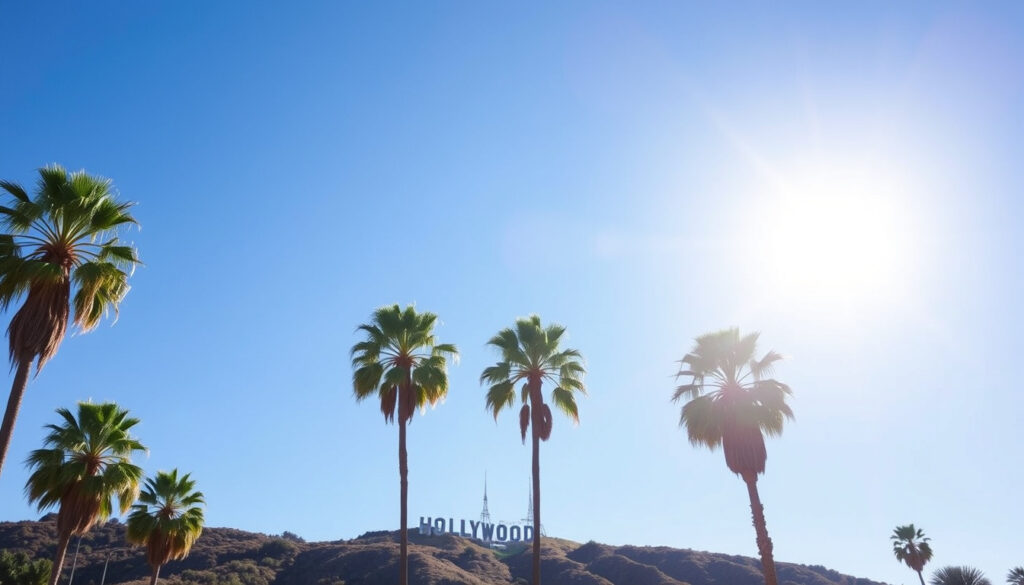
Things to Do in LA: Top Attractions, Itineraries & Safety Tips
Los Angeles draws more than 50 million visitors each year for good reason: it’s a city of stunning contrasts, where the Hollywood Hills meet the Pacific Ocean and world-class museums sit alongside gritty urban landscapes. This guide strips away the hype and gives you a clear, safety-aware plan for making the most of your first trip.
Annual visitors to Los Angeles: over 50 million ·
Size of Los Angeles County: 4,751 square miles ·
Number of neighborhoods: over 80 ·
Days recommended for first visit: 3 to 5
Quick snapshot
- Griffith Observatory is free and iconic (The La Mama – local travel blog)
- May and September offer the best weather (Lonely Planet – global travel authority)
- Skid Row is a high-crime area in downtown LA (Amber – community safety resource)
- Exact crime statistics for 2026 are not yet published
- Attraction ratings may shift due to seasonal closures
- Peak tourism months: June–August (crowded, hot) (Lonely Planet)
- Optimal visit: May or September for moderate crowds and mild weather (Lonely Planet)
- Public transit expansions may improve connectivity
- New museum exhibitions rotate seasonally
The key facts below give you a quick orientation to the city’s scale and identity.
| Attribute | Value |
|---|---|
| Population | 3.8 million (city proper) |
| Founded | 1781 |
| Nickname | City of Angels |
| Famous for | Hollywood, beaches, diversity |
The implication: LA is vast and varied — you need a plan, not just a list.
What is the #1 attraction in Los Angeles?
Ask a dozen locals and you’ll get a dozen answers, but one place keeps rising to the top: the Griffith Observatory. Its free admission and sweeping views of the city make it a magnet for first-timers and repeat visitors alike. The Hollywood Walk of Fame, stretching 15 blocks along Hollywood Boulevard, is another contender — but the Observatory offers a full experience.
Why is the Griffith Observatory a top attraction?
- Entry is free (closed Mondays) – Girl Eat World (travel blog)
- Sunset visits deliver panoramic views of the LA basin and the Hollywood Sign – The La Mama
- Hiking trails from the parking lot add an active element – Viator (tour aggregator)
The trade-off: parking can be tight on weekends, so arrive early or take a rideshare.
What makes the Hollywood Walk of Fame iconic?
- More than 2,700 stars embedded in the sidewalk – Lonely Planet
- Spans 15 blocks from La Brea Avenue to Gower Street – The La Mama
- Free to walk, but expect crowds and costumed characters asking for tips
First-timers get the most value from the Observatory because it combines free entry, nature, and a killer skyline — all in one stop.
Is 3 days enough for Los Angeles?
Yes — but you need a plan. With three days you can cover the essential neighborhoods: Hollywood, Santa Monica, and Griffith Park, especially if you use a car or a Go City Pass to cut costs and time.
3-Day Los Angeles Itinerary for First Timers
- Day 1: Arrive midday, hike to Griffith Observatory, explore Hollywood Lake Park for a Hollywood Sign view without hiking – There She Goes Again (itinerary blog)
- Day 2: Santa Monica Pier, Venice Beach Boardwalk, and sunset at the Observatory again or a rooftop bar
- Day 3: Museum morning (Getty Center or The Broad) and afternoon at Universal Studios Hollywood – The La Mama
Public transit (Metro Rail) can help, but a rental car is the quickest way despite traffic – Attraction Tickets (ticket retailer).
How to prioritize neighborhoods like Santa Monica and Hollywood
- Don’t try to do both in one day — they’re 30–45 minutes apart without traffic
- Use morning for one area, afternoon for the other, and plan meals around rush hour to avoid gridlock – The La Mama
The pattern: a focused three-day plan beats a frantic five-day scramble every time.
What are the best things to do in Los Angeles with limited time?
When you only have one or two days, every choice matters. The key is to pick experiences that deliver high impact for low time cost.
2-Day Los Angeles Itinerary for First Timers
- Day 1: Warner Bros Studio Tour (covered by Go City Pass) in the morning, then afternoon at The Broad and LACMA’s Urban Light – Viator
- Day 2: Morning at Santa Monica Pier and Venice Beach, afternoon at Griffith Observatory, evening walk the Walk of Fame
The Viator 2-day itinerary covers must-do activities like the studio tour and Venice Beach without feeling rushed – Viator (tour marketplace).
How to spend a fun day in LA
- Start at Santa Monica Pier for classic beach vibes (skip the swimming – water can be cold) – The La Mama
- Walk to Venice Beach Boardwalk for people-watching and street performers
- End at Griffith Observatory for sunset – this routine is a favorite among locals and travelers alike
A fun day in LA isn’t about cramming in ten spots — it’s about two or three high-quality stops with breathing room between them.
Where to not go in Los Angeles right now?
Safety is a real concern, especially for first-timers unfamiliar with LA’s patchwork of neighborhoods. While most tourist areas are safe during daylight, some parts demand caution.
Most dangerous areas to avoid in Los Angeles
- Skid Row (downtown east of Main Street) – high crime, concentrated homelessness and drug activity – Amber (community safety guide)
- Parts of South Central, especially late at night
- Amber’s list identifies 11 dangerous neighborhoods total; check local advisories before heading out
Understanding Skid Row’s history and safety
Skid Row has been a staging area for the homeless since the 1930s. Today it’s about 50 blocks with a high concentration of crime and open drug use. Tourists should avoid walking through this area, even by day. It’s not a place for sightseeing.
If you’re walking from the Arts District to Little Tokyo, check your route — Skid Row sits right between them.
The catch: LA’s geography means a wrong turn can land you in a risky zone, so plan your walking routes in advance.
What’s the best month to visit Los Angeles?
May and September are the sweet spots: warm but not scorching, fewer crowds than summer, and minimal June gloom. Lonely Planet highlights both months as ideal – Lonely Planet (travel guide publisher).
Weather and crowds by month
- May: Average high 72°F, low 58°F; crowds moderate
- June: “June gloom” overcast often clears by late morning; busy with school groups
- September: Average high 80°F, low 64°F; summer crowds fade after Labor Day
- December–February: Cooler (60s), cheaper hotels, but some attractions have reduced hours
Events and festivals in Los Angeles throughout the year
- January: Rose Parade in Pasadena
- February–March: Academy Awards
- April–May: Los Angeles Film Festival
- July–August: Hollywood Bowl summer concerts
- October: Halloween events at Universal Studios
What this means: timing your visit right can make or break your experience of LA’s outdoor attractions.
Upsides
- Enormous variety: beaches, mountains, museums, theme parks, all in one city
- Many free or low-cost attractions (Griffith Observatory, The Broad, Getty Center) – Attraction Tickets
- Year-round mild climate makes outdoor activities possible any month
- Diverse food scene from taco trucks to Michelin-starred restaurants
Downsides
- Traffic is notorious: a 10-mile drive can take over an hour during peak times
- Public transit is limited compared to other major global cities
- Many top attractions require advance booking and paid parking
- Some neighborhoods are unsafe for tourists without local knowledge
Confirmed facts
- Griffith Observatory is free to visit – Girl Eat World (travel blog)
- Skid Row is a high-crime area in downtown LA – Amber (community safety resource)
- May and September are optimal for weather – Lonely Planet (global travel authority)
- Santa Monica Pier is a classic family-friendly spot – The La Mama (local travel blog)
- The Go City Pass covers 40+ attractions – Attraction Tickets (ticket retailer)
What’s unclear
- Exact crime statistics for 2026 are not yet available
- Specific attraction ratings may shift due to seasonal changes
- The impact of planned transit expansions on travel times is unknown
“May or September are the best months to visit Los Angeles for pleasant weather and fewer crowds.”
– Lonely Planet (travel guide publisher)
“Amber’s list identifies 11 dangerous neighborhoods in LA that tourists should avoid, especially after dark.”
– Amber (community safety resource)
“A two-day itinerary covering Warner Bros Studio Tour and Venice Beach is a solid introduction for first-timers.”
– Viator (tour marketplace)
For the first-time visitor, Los Angeles rewards planning. The choice between a packed itinerary and a relaxed pace is the real trade-off. If you pack three days with a mix of free landmarks, one major paid attraction, and smart safety awareness, you’ll leave with a genuine sense of the city — not just the tourist clichés. For anyone visiting LA for the first time, the smartest move is to accept you’ll miss things, and focus on what matters most: the views, the culture, and the vibe that makes LA unlike anywhere else.
Related reading: Things to Do in Arizona: Top Attractions & Road Trips
For a different take on the city’s highlights, this detailed LA guide provides a well-researched itinerary and safety advice.
Frequently asked questions
What is the best way to get around Los Angeles?
Renting a car is the most efficient option, despite traffic. Ride-hailing services like Uber and Lyft are widely available. The Metro Rail system covers downtown, Hollywood, and Santa Monica but doesn’t reach many attractions directly.
Is Los Angeles safe for tourists?
Most tourist areas — Hollywood, Santa Monica, Beverly Hills — are safe during the day. Avoid Skid Row and parts of South Central, especially at night. Keep valuables out of sight and stay aware of your surroundings.
What should I pack for a trip to Los Angeles?
Light layers: mornings can be cool, afternoons warm. Comfortable walking shoes, sunscreen, sunglasses, and a reusable water bottle. A light jacket for evenings, especially near the coast.
Are there any free attractions in Los Angeles?
Yes: Griffith Observatory, The Broad, Getty Center, Getty Villa, Hammer Museum, MOCA, and the Hollywood Walk of Fame are all free. Some require parking fees or advance reservations.
Can you see celebrities in Los Angeles?
Celebrity sightings are possible in Beverly Hills, West Hollywood, and at premieres. Studio tours (Warner Bros, Universal) offer behind-the-scenes access. No guarantees, but your odds are higher than anywhere else.
More related posts
 National Daughters Day 2025: Date, History & How to Celebrate
 A+ Blood Type: Facts, Rarity, and Health Implications
 Cast of Predator: Badlands (2025) – Actors & Characters
 Thursday Murder Club on Netflix: Movie or Series
 Sporting Goods Near Me in Ireland: Top Stores Guide
 Peter Dinklage Movies and TV Shows: Full Filmography
 Dave & Buster’s Near Me: Prices, Age Rules & Location Guide
 Eagles 2025 Draft Picks: Full List, Analysis, and Grades